


Katalon Studio is not open source, but it is built on open-source Selenium and Appium and has a Free plan. Here is what the Free plan includes, which Katalon projects on GitHub are open source, and when an open-source framework is the better choice.
Is Katalon open source? No. Katalon Studio is commercial test automation software, and its core source code is not public. It is built on the open-source Selenium and Appium frameworks, and it has a Free plan for local web, API, and mobile testing.
So you can start with Katalon Studio at no cost, but you can't fork it, change its source, or redistribute it the way you can with Selenium or Playwright. This guide covers what Studio is built on, which Katalon projects are open source, what the Free plan includes as of November 2026, and when an open-source framework is the better choice.
Is Katalon open source? The short answer
- Katalon Studio is not open source. It is commercial software from Katalon, offered as a Free plan and paid Professional and Enterprise plans.
- It is built on open-source frameworks. Studio runs web tests on Selenium and mobile tests on Appium, and you can script in Groovy or Java.
- It has a Free plan. You can author and run web, API, and mobile tests locally at no cost.
- Some Katalon projects are open source, such as the plugin platform, the Jenkins plugin, and Katalon Recorder, which is no longer maintained. Sample projects are public on GitHub.
What Katalon Studio is built on
Katalon Studio is a test automation IDE for web, mobile, API, and Windows desktop testing. Under the hood, web tests drive browsers through Selenium WebDriver and mobile tests drive devices through Appium, the same open-source projects many teams use directly.
What Studio adds on top is the part you would otherwise build yourself: a project structure, an object repository for locators, built-in keywords for common actions, record and playback, data-driven testing, and reports. You can build a test case from keywords without code, switch to the script view, and write Groovy or Java in the same test case.
Because it sits on Selenium and Appium, Studio can also bring in existing Selenium work. Selenium WebDriver projects in Java and Selenium IDE projects can be brought into Studio, so those tests don't have to start from scratch.
What is open source around Katalon
Katalon publishes several projects on GitHub. As of November 2026, these are the ones you are most likely to look for:
- katalon-studio/katalon-studio: the public repository for Studio releases, installers, and issue reports. It has no open-source license and does not contain Studio's core source code.
- katalon-studio-platform: published as an open-source platform for building Katalon Studio plugins.
- Jenkins plugin and utilities: the Katalon Studio Jenkins plugin and the
utilsrepository use the MIT license. - Sample projects: ready-made Studio projects for web, mobile, and API testing are public in the separate katalon-studio-samples organization on GitHub. Most carry no open-source license, so treat them as examples to copy, not open-source software.
- Katalon Recorder: a browser extension and Selenium IDE alternative, published under the Apache-2.0 license. Its GitHub page says it is no longer actively maintained, with no further updates or security patches planned.
So "Katalon GitHub" will show you open-source plugins and integrations, plus public examples, but not an open-source version of Studio itself.
What the Katalon Studio Free plan includes
The Free plan is a full desktop install of Katalon Studio, separate from the 30-day trial of paid features. As of November 2026, it covers:
- Authoring and running tests locally
- Web, API, and mobile testing
- Record and playback for web and mobile
- Basic data-driven testing
- Up to 10 static test suites
- Git-based source control, report export, and email report sharing
- Katalon Academy, the community forum, and the docs for support
Several features need a paid plan (Professional or Enterprise): Windows desktop testing, AI self-healing, parallel execution, BDD with Cucumber, dynamic test suites, the AI agents for test authoring and failure analysis, and Jira and ALM integrations. Running tests from the command line or in CI also needs a paid plan plus the Katalon Runtime Engine (KRE) add-on. TestCloud, for cloud browsers and devices, is a separate paid add-on that works with any Studio plan, including Free.
Professional costs $1,800 per seat per year (about $150 a month), billed annually, and Enterprise pricing is custom. Both are on the Katalon pricing page. A 30-day free trial lets you try the paid features before you buy. For a line-by-line breakdown, see Katalon Studio Free vs Professional vs Enterprise.
Open-source framework vs Katalon Studio at a glance
As of November 2026, here is how a typical open-source framework (Selenium, Playwright, or Cypress) compares with the Katalon Studio Free and Professional plans.
Open-source framework | Katalon Studio Free | Katalon Studio Professional | |
|---|---|---|---|
License | Open source (Apache-2.0 for Selenium and Playwright, MIT for Cypress) | Commercial, free to use | Commercial, paid per seat |
Source code | Public, you can fork and modify it | Not public | Not public |
Cost | Free; you pay in engineering time, plus any paid cloud services | Free | $1,800 per seat per year, billed annually |
Test creation | Code, with recorders that generate code (Selenium IDE, Playwright codegen) | Record and playback, keywords, Groovy or Java | Same, plus AI agents for authoring |
App types | Web, often with API testing (Playwright, Cypress); mobile needs Appium | Web, API, and mobile | Web, API, mobile, and Windows desktop |
Framework setup | You build the structure, reporting, and locator strategy | Built in | Built in |
Self-healing locators | Varies (Playwright has a healer agent; Selenium and Cypress do not include one) | Not included | Included |
Parallel runs | Built into some runners (Playwright Test runs in parallel by default); others need Selenium Grid or a paid cloud service | Not included | Included |
CI and command line | Free to run anywhere | Not available | Needs the KRE add-on |
Support | Community | Community, Academy, and docs | 24/5 ticket support |
Building a framework vs starting in Studio
With an open-source framework, the first weeks often go into building the framework, not writing tests. A typical Selenium setup means installing a language runtime and build tool, adding WebDriver and a test runner such as TestNG, choosing a design pattern such as the Page Object Model, and then writing helpers for waits, logging, screenshots, and reports.
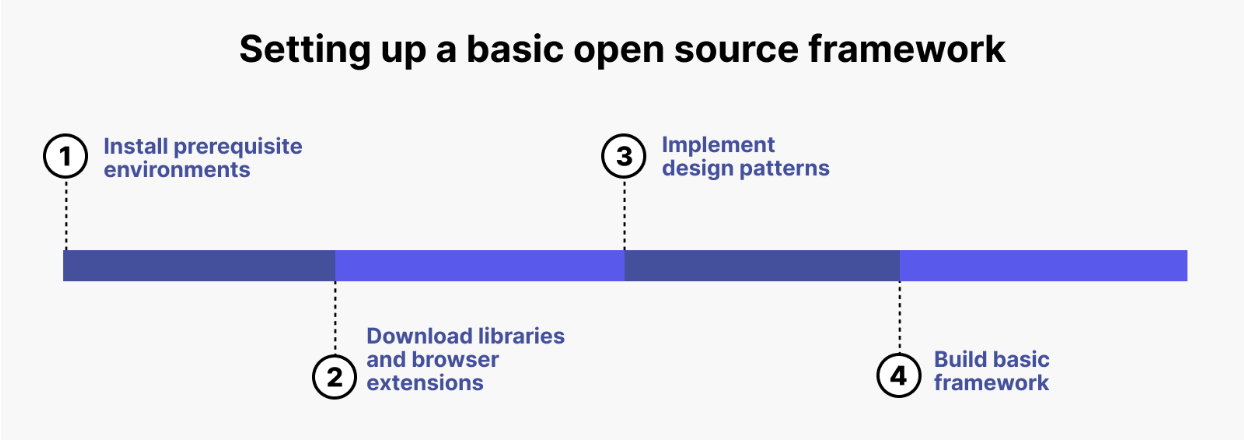
That work is not wasted. You end up with a framework that fits your application exactly, and every line of it is yours to change. But someone has to maintain it as browsers, libraries, and your application change, and that person needs to be a solid programmer as well as a tester.
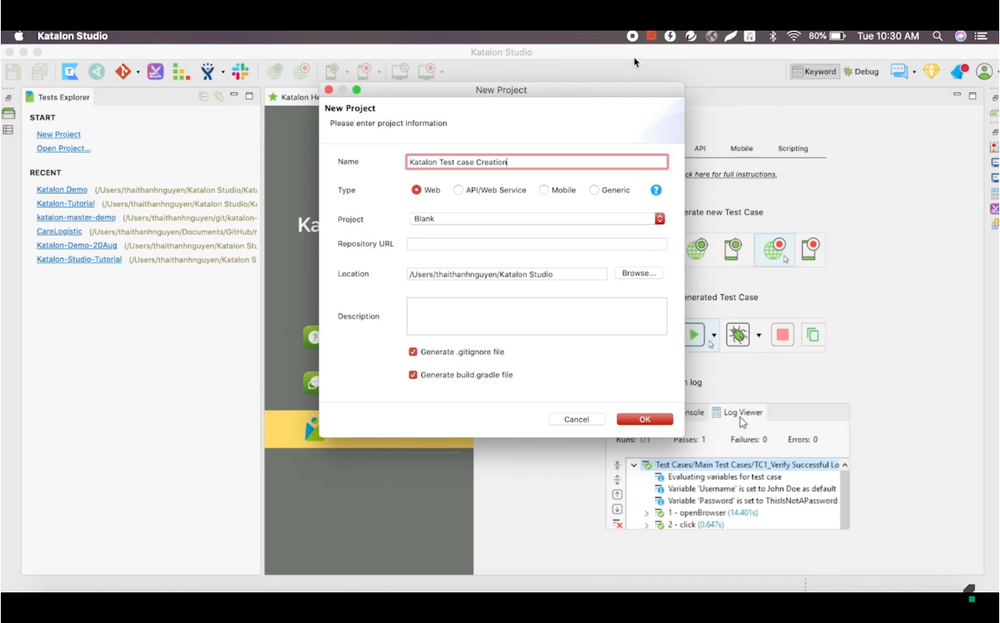
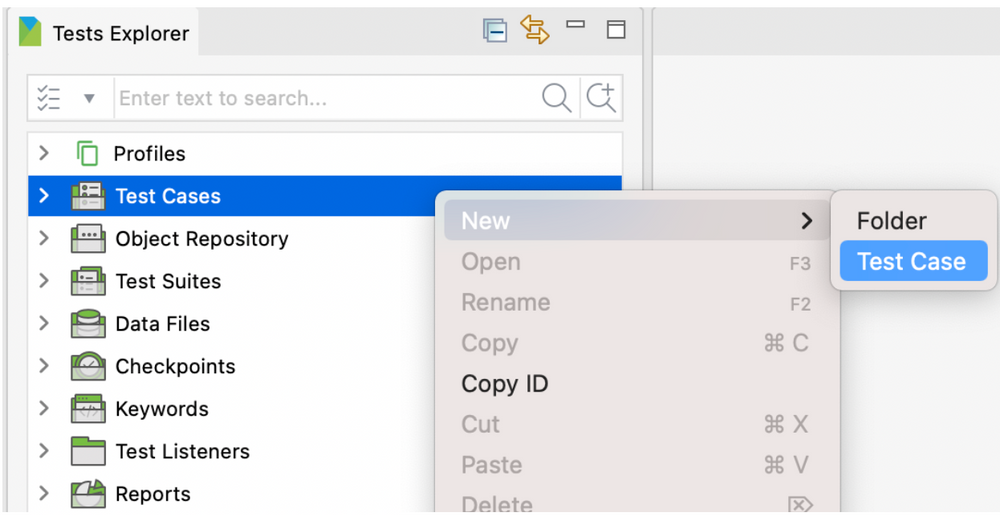
In Katalon Studio, the structure is already there. A first web test takes five steps:
- Create a project: go to File > New > Project, name it, and choose where to store it.
- Create a test case: in the Tests Explorer, right-click the Test Cases folder and select New > Test Case.
- Add steps and a verification, by recording, choosing keywords, or writing Groovy in the script view.
- Add the test case to a test suite: right-click Test Suites > New > Test Suite, then select Add Test Case.
- Run the suite and review the report.
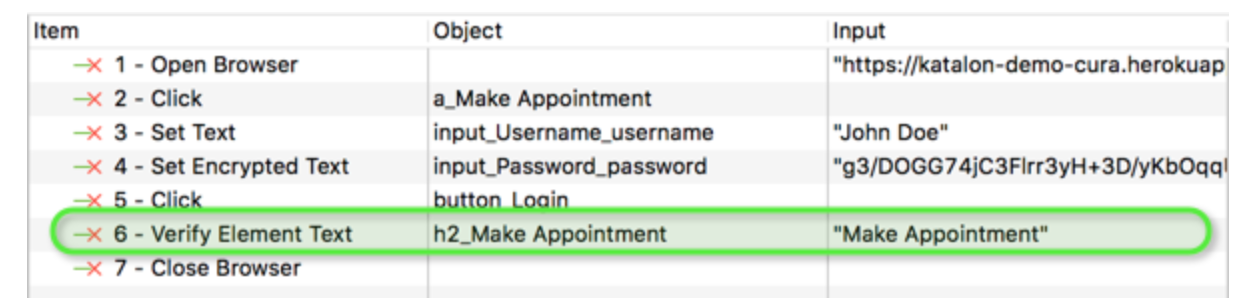
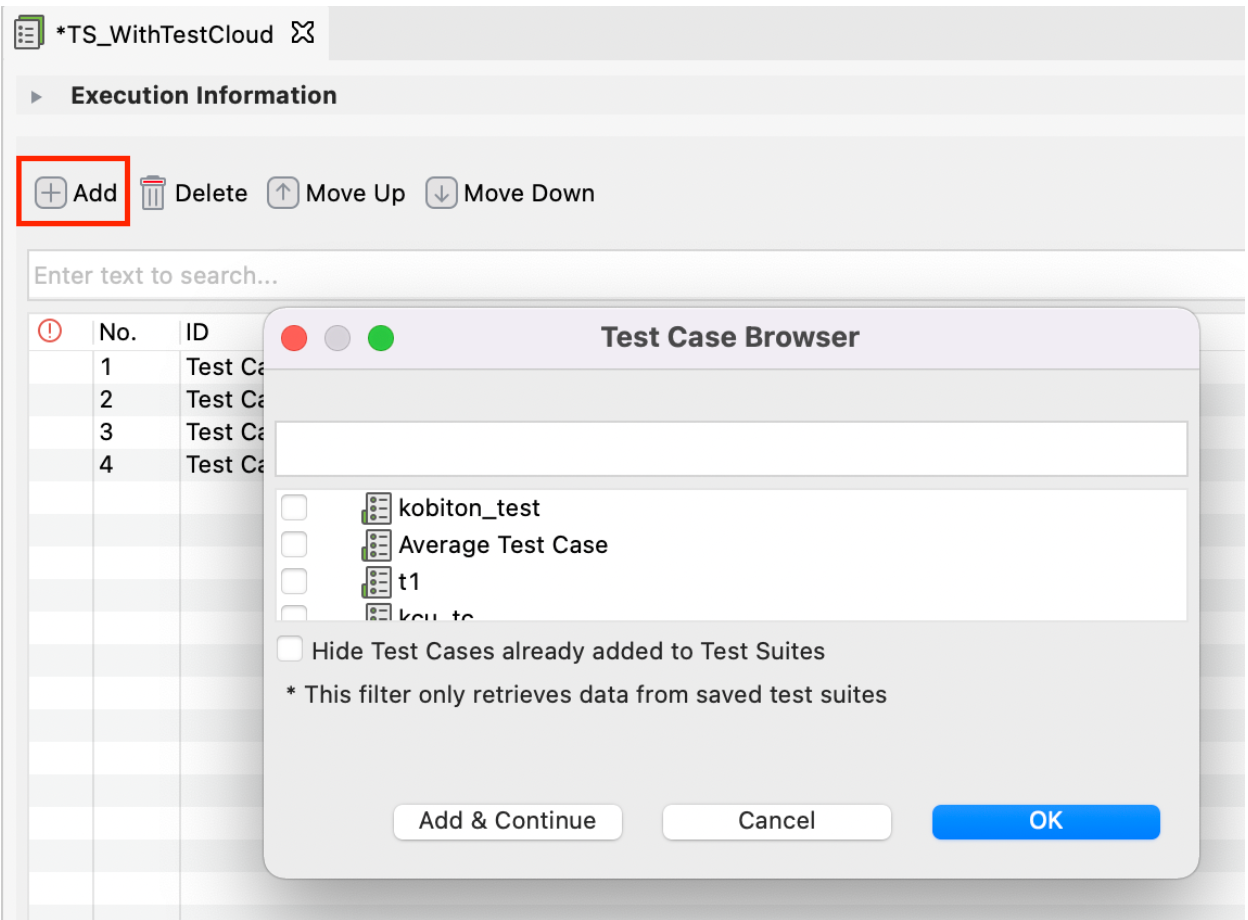
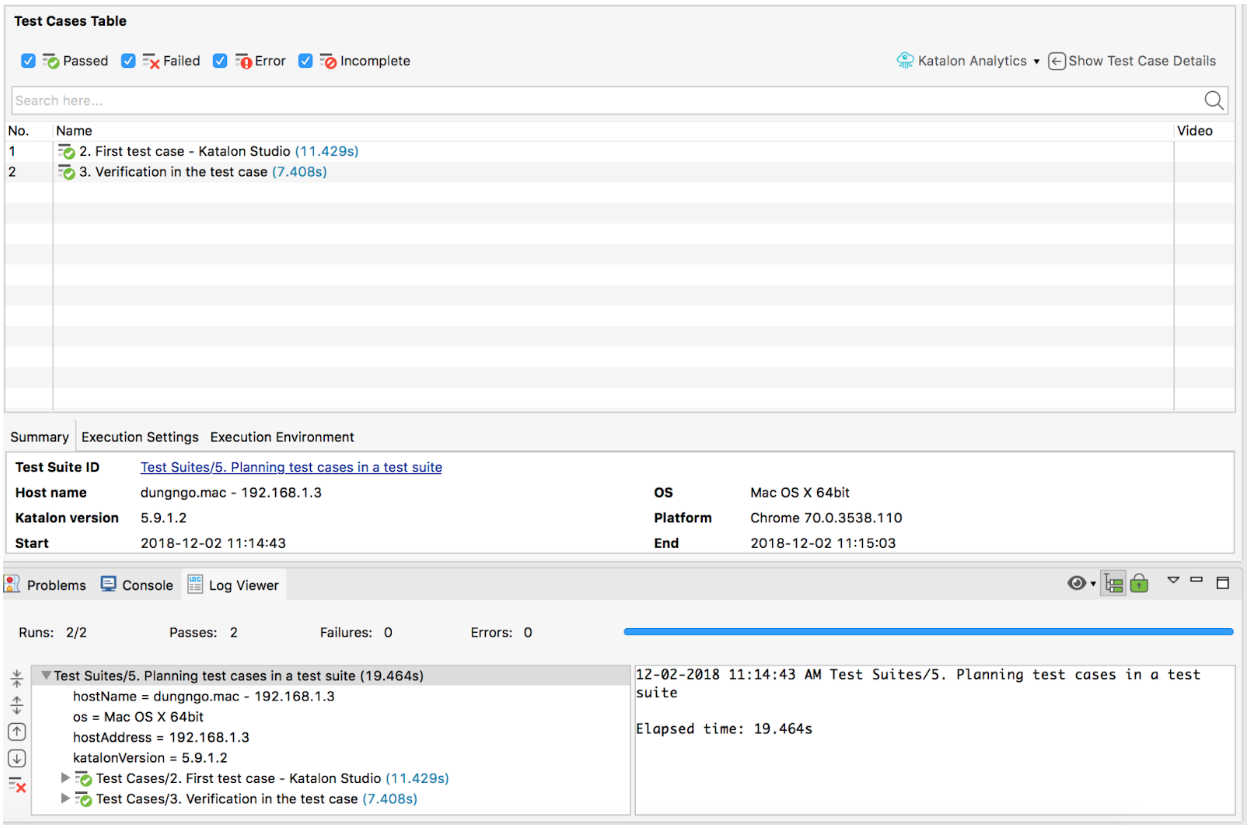
The trade-off is control. You work within Studio's project structure and keywords, and you can extend them with custom keywords and plugins, but you can't change the tool itself.
Moving Selenium tests into Katalon Studio
If you already have a Selenium suite, switching to Katalon Studio doesn't always mean starting again. As of November 2026, Selenium WebDriver projects in Java (Selenium 4.x with TestNG or JUnit) can be migrated into Studio. You build their dependencies with Gradle, copy the code into the project, and run the classes through the TestNG/JUnit Keywords plugin. Selenium IDE projects (.side files, version 3 or later) import through File > Import Selenium IDE Project. Suites in Python, C#, JavaScript, or Ruby need to be rewritten. The Selenium to Katalon migration page covers the options.
This video walks through importing a Selenium project:
For a deeper look at the differences, see Katalon Studio vs Selenium-based open-source frameworks.
When an open-source framework is the better choice
An open-source framework is often the better fit when:
- Your team writes code every day. Developers who own tests alongside product code tend to prefer a framework in their own language, such as Playwright with TypeScript or Selenium with Python.
- You need full control. You can read, fork, and patch the source, and nothing ties your tests to a vendor's release cycle.
- Budget is fixed at zero. You can run tests in CI, in parallel, on any machine, with no license, as long as you have the engineering time.
- You test one kind of app. A web-only team may get everything it needs from Playwright or Cypress, and a mobile-only team from Appium.
If you want open source with a keyword style closer to Studio's, Robot Framework is worth a look. See Robot Framework alternatives for how it compares with other options.
When Katalon Studio is the better fit
Katalon Studio tends to suit teams where:
- Skills are mixed. Manual testers can record and use keywords while engineers script in Groovy or Java, in the same project.
- You test more than one app type. Web, API, and mobile tests share one project and one object repository, with Windows desktop testing on a paid plan.
- Framework upkeep is slowing you down. The structure, reporting, and locator management come built in, so time goes into tests rather than plumbing.
- You want to start free and scale later. The Free plan covers local work, and Professional adds self-healing, parallel runs, and integrations when you need them. Test management (Katalon TestOps) and cloud execution (TestCloud) are separate products you can add.
Should you choose open source or Katalon Studio?
If the question is "Is Katalon open source?", the answer is no, and that matters if you need to modify the tool or avoid any vendor dependency. In that case, Selenium, Playwright, Cypress, Appium, or Robot Framework will serve you better.
If the question behind it is "Can I use Katalon without paying?", the answer is yes. The Free plan runs real web, API, and mobile tests locally. A practical way to decide is to build the same few tests in your current framework and in Katalon Studio, then compare how long each took and who on your team could maintain them.
Frequently asked questions
No. Katalon Studio is commercial software, and its core source code is not public. It is built on the open-source Selenium and Appium frameworks and supports Groovy and Java scripting. Some Katalon projects on GitHub are open source, including the plugin platform, the Jenkins plugin, and Katalon Recorder, which is no longer maintained.
Both. As of November 2026, Katalon Studio has a Free plan for authoring and running web, API, and mobile tests locally. Professional costs $1,800 per seat per year, billed annually, and adds desktop testing, self-healing, and parallel runs. Enterprise pricing is custom, and a 30-day free trial covers the paid features.
You can create and run web, API, and mobile tests on your own machine using record and playback, keywords, or Groovy scripts, with up to 10 static test suites. Desktop testing, self-healing, parallel execution, and Jira integration need a paid plan. CI runs need a paid plan plus the Katalon Runtime Engine add-on.
It depends on what you test. Selenium supports web testing in Java, Python, C#, Ruby, and JavaScript. Playwright supports TypeScript, JavaScript, Python, Java, and .NET. Cypress suits JavaScript and TypeScript teams, Appium covers mobile apps, and Robot Framework offers a keyword-driven style. All five use open-source licenses.
Selenium is an open-source project with several tools: WebDriver for browser automation, Selenium Grid for running tests across machines, and Selenium IDE for recording. It is not a full test framework on its own, so teams usually add a test runner, a design pattern, and reporting. Katalon Studio uses Selenium WebDriver for its web tests.
Yes. The katalon-studio/katalon-studio repository holds Studio releases and issue reports, but it has no license and no core source code. Katalon's open-source projects include the plugin platform, the MIT-licensed Jenkins plugin, and Katalon Recorder under Apache-2.0, which is no longer maintained. Sample projects are public in the katalon-studio-samples organization.


Test everything. Ship with confidence.
From generating test cases to spotting failures, Katalon's AI works across your entire pipeline, automatically.
